After a long shift on the Gold Coast, most of us want something straightforward when we fire up a mobile session in the arvo. The trouble is that two pokies can look nearly identical on the surface yet pay out in completely different rhythms. That is where an online pokies volatility list earns its keep, because it tells you whether a game is built for slow, steady returns or bigger swings that can empty a balance before you have properly settled in. I have spent enough time testing mobile betting products to know that ignoring this detail is the quickest way to misread a session.
What volatility actually measures on a pokie screen
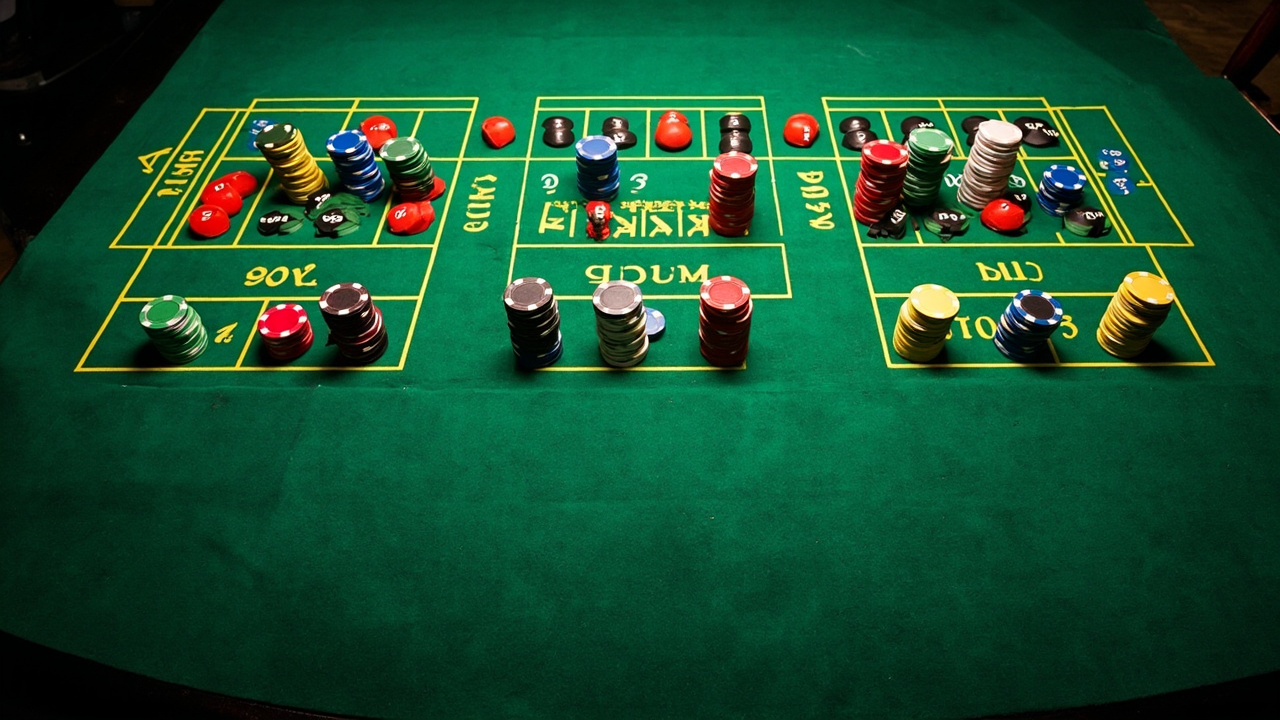
Volatility is really just a shorthand for how a game distributes its payouts across a normal run of spins. A low-volatility title tends to drip out smaller wins fairly often, which keeps the balance ticking over and suits players who want to stretch a deposit across a relaxed evening. Higher volatility works the other way: wins arrive less frequently, but when they do hit, the payouts are generally larger relative to the stake. Neither approach is inherently better, and any developer claim that one style is “superior” is just marketing dressed up as maths.
The practical test is simple. If you are playing on a phone with a capped data plan and a tight session budget, a high-volatility machine can chew through your credit faster than you expect because the dry spells between meaningful hits are longer. That is not a flaw in the game; it is just the risk profile. I have watched plenty of players on the Gold Coast switch from a flashy high-variance title to a steadier one mid-session once they realise the rhythm does not suit their bankroll, and the move usually makes more sense than chasing a bonus that the game structure is not built to deliver.
How to read the list without getting misled by the marketing
A useful online pokies volatility list should separate the raw maths from the promotional gloss that often surrounds it. The first thing to check is whether the rating is tied to a specific game or just slapped on a whole provider’s catalogue as a blanket label. Broad labels are convenient for a landing page, but they rarely tell you enough about an individual title’s payout pattern. When I am scanning a list for a session, I look for the games where the volatility rating lines up with the hit frequency and the size of the top-tier features, because that is where the numbers actually mean something.
A few titles lean into bonus mechanics that can make volatility feel different in practice. You will sometimes see a “Dragon Bonus” style side bet mentioned in baccarat contexts, where the wager pays out for winning by a large margin rather than just winning outright. Pokies do not copy that exact structure, but the same principle applies: a feature that rewards a rare outcome will push the effective volatility higher, even if the base game looks gentle on paper. Sienna Evans, Head of Analytics, Southern Cross Gaming Advisory, has flagged this sort of mismatch in her own work, noting that players often treat a volatility rating as a guarantee of session length when it is really just a description of payout distribution.
That distinction matters on mobile, where the screen real estate is tight and the controls are easy to tap without much thought. A list that only gives you a single number without context can send you into a game that is technically high-variance but marketed as “fun and frequent”, which is a contradiction you only spot once you have read the paytable and the feature triggers properly. If a site is pushing a bonus activation that requires a quick turnover on a high-volatility title, the math usually works against a casual player who just wants a measured session rather than a fast burn.
Which volatility profile fits your session style
The right choice depends less on the game and more on what you are trying to do with your time and your credit. If you are logging on for a short, low-pressure run and want the balance to hang around, a lower-volatility pokie is usually the safer fit. It will not deliver the kind of spike that makes a single spin memorable, but it also tends to keep the action moving without the same level of downside during a dry patch. That profile suits players who treat the session as background entertainment rather than a serious punt.
For sessions where you are aiming to stretch your bankroll and explore additional features, you might prefer a title with more frequent bonus triggers. You can compare payout structures and current incentives at https://rocketplaybonus.org/. Ultimately, aligning the game speed with your personal budget will help you stay in control while enjoying the experience.
If you are comfortable with longer gaps between meaningful wins and you are playing with a balance you can afford to let fluctuate, a higher-volatility title can feel more engaging. The catch is that the same structure that allows for bigger feature payouts also makes it easier to burn through a deposit during an ordinary run of spins. I have seen enough mobile sessions on busy weekends to know that the players who stay comfortable are the ones who set a clear stop point before the first spin, not the ones who assume a big hit is due just because the volatility rating looks attractive.
A decent online pokies volatility list helps you sort that out before you deposit, but it should not be treated as a prediction of what will happen in any one session. The list is a guide to structure, not a promise of outcomes, and the most sensible read is to match the rating to the kind of rhythm you actually want. If the numbers point toward frequent small returns, expect that. If they point toward rarer, larger swings, plan your bankroll around the possibility of a longer quiet stretch.

When you are picking a game from a list like this, the most useful habit is to treat the volatility rating as one input among several, alongside the stake range, the feature triggers, and the bonus terms that apply if you are activating a welcome offer. A site that makes those details easy to find usually saves you more time than one that just stacks glossy thumbnails and hopes you will not read the fine print. No worries if you prefer a steadier ride or a bigger swing; the point is to pick the profile that matches the session you actually want, rather than the one that sounds best in a promo paragraph.